
Priority One Coalition exists to meet real need with real presence — and to help people build the tools, discipline, and support systems that move life forward.
Priority One Coalition was founded in 1996 by George M. Frye with a mission centered on improving quality of life, supporting communities in times of need, and helping people grow through education, restoration, and practical empowerment. The organization’s story starts in Miami, but its outlook has always reached beyond a single neighborhood or moment. It is a service platform built on action, accountability, and the belief that people deserve more than temporary relief.
The Coalition serves people of all races, creeds, and religions. Its posture is not built around exclusion, performance, or slogans. It is built around meeting people where they are and helping them move toward greater strength, awareness, stability, and usefulness in daily life.
Priority One Coalition works to empower self-sufficiency — mental, spiritual, economic, and physical — through hands-on education, practical life training, health and holistic awareness, family strengthening, and structured support. The aim is not dependency. The aim is growth with discipline, usable knowledge, and dignity.
The long-term vision is simple and serious: stronger families, more capable individuals, healthier communities, and development pathways that help people build instead of simply survive. Priority One Coalition is most itself when relief, restoration, and long-term capacity work together.
George M. Frye establishes Priority One Coalition with a mission to support communities and improve quality of life through practical service.
The Coalition grows from local work centered on education, family support, health awareness, spiritual and cultural awareness, and hands-on guidance.
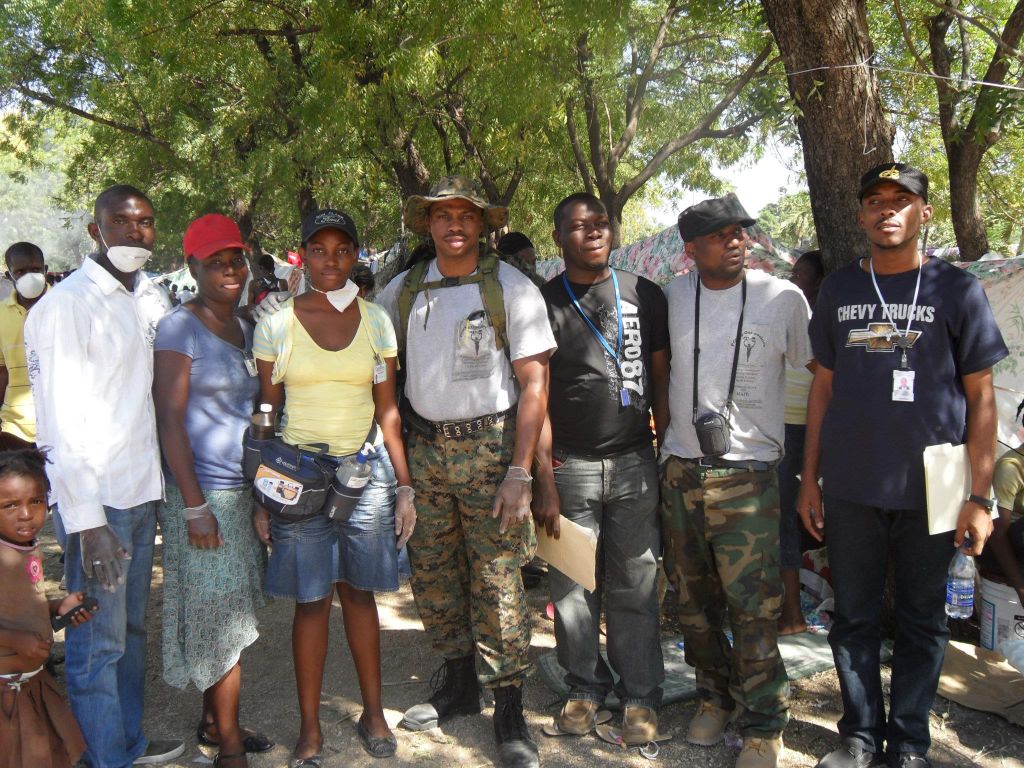
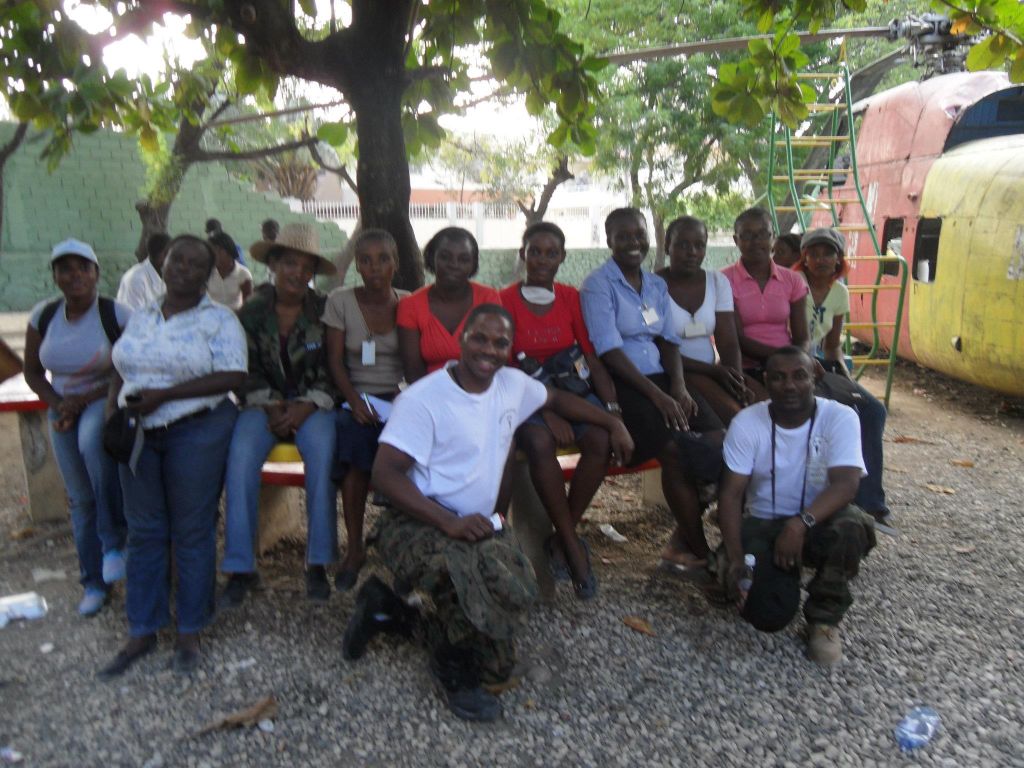
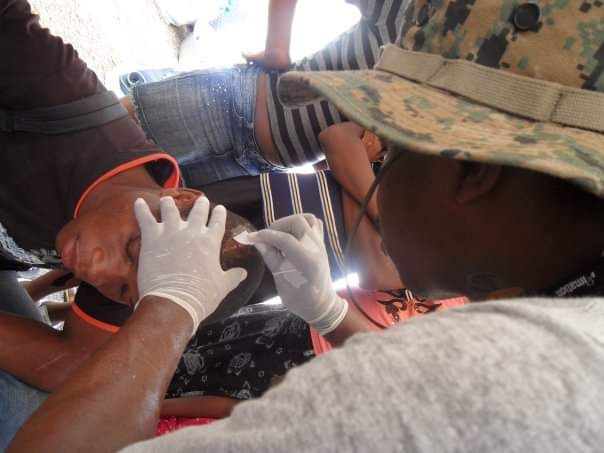
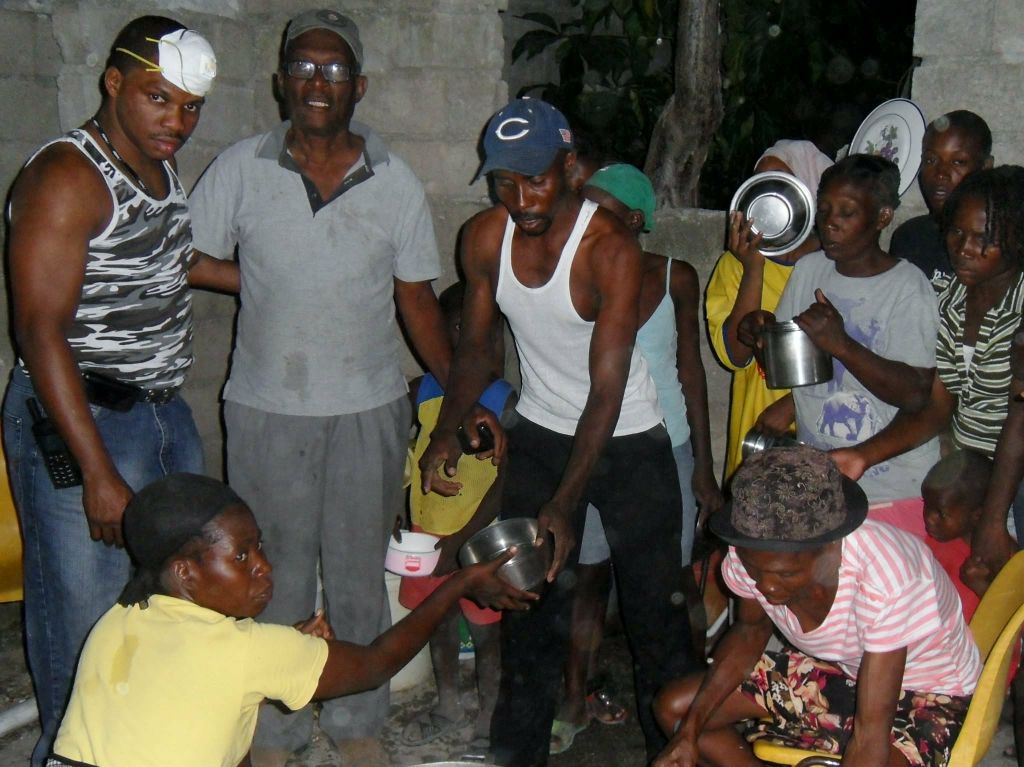
The organization’s documentary record includes crisis response during the Haiti earthquake period, showing direct field presence, emergency support, and relief engagement.
The broader mission continues into long-term self-sufficiency themes such as solar access, sustainable housing, agriculture, workforce readiness, and economic empowerment.
Priority One Coalition’s history is not abstract. It includes visible humanitarian work during the Haiti earthquake crisis, where emergency medical aid, food support, and on-the-ground presence became part of the organization’s public record. That matters because real trust is built when service can be seen, not just described.
These historical materials should be handled with seriousness. They are not meant to sensationalize suffering. They show the Coalition’s willingness to move toward hardship, not away from it.
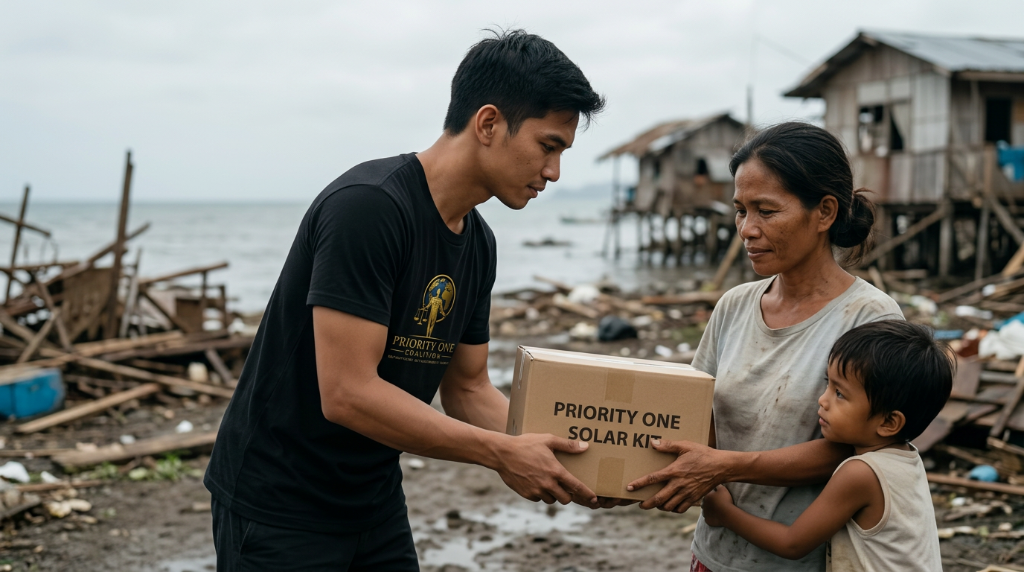
The Coalition’s relevance is not limited to historic response. The Dumaguete-related relief material shows the same principle in a more forward-looking form: practical recovery tools, direct support for families, and solutions that help communities regain stability with usable systems.
The solar kit imagery is especially important because it bridges humanitarian compassion with long-term function. It says, in plain terms, that recovery should not stop at sympathy. It should lead to capability.
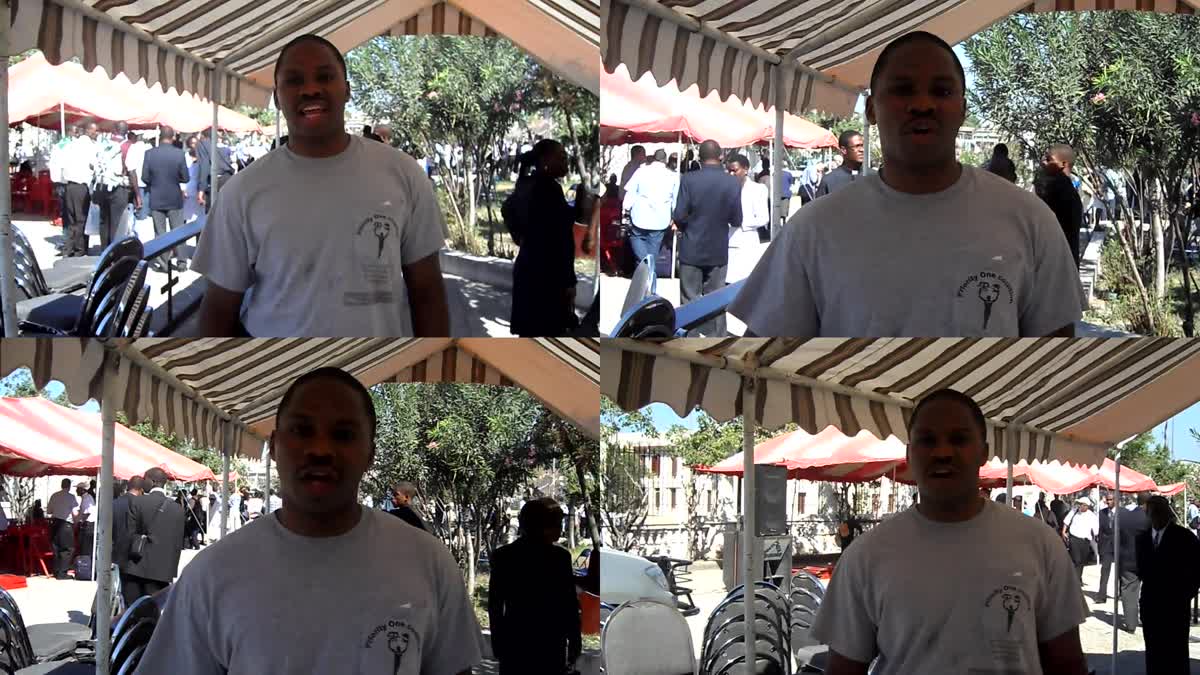
Priority One Coalition should feel led, not managed from a distance. Its public story includes leadership presence in the field, in community settings, and in development-centered work that connects humanitarian service to practical next steps.
That same forward edge is visible through the affiliated New Genesis Project, where energy independence, sustainable housing, and economic empowerment extend the Coalition’s broader commitment to self-sufficiency and structural growth.
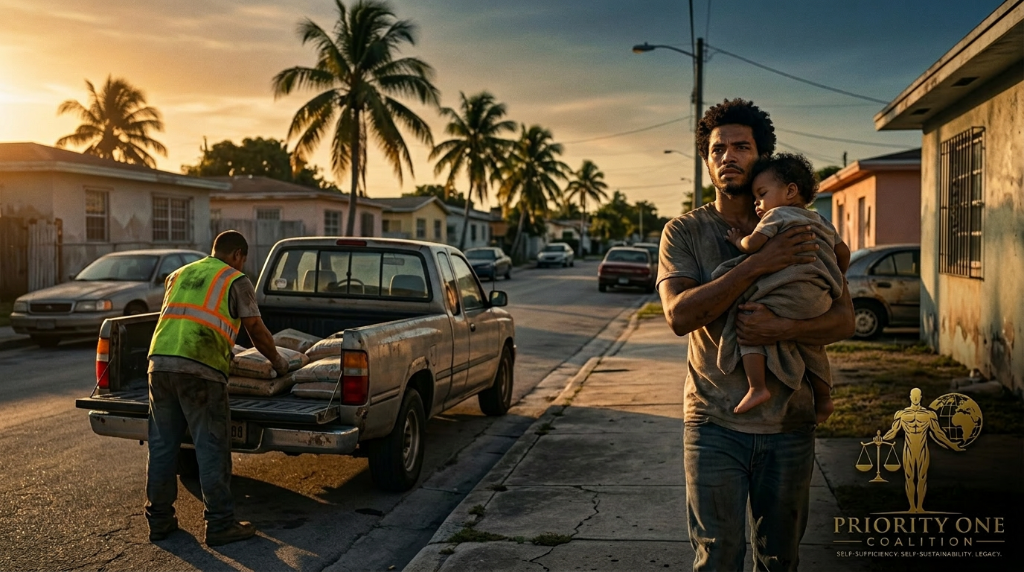
Priority One Coalition exists to meet need honestly and to help people build stronger futures. If you want to support relief, practical education, family strengthening, and long-term community capacity, this is the work to stand behind.
Leave your details so the team can follow up when the donation launch is ready.