
Priority One Coalition’s programs are built to meet need, restore stability, and help communities grow stronger through practical tools, training, and structured support.
Every Priority One Coalition program area is tied to the same larger idea: respond to need, restore dignity, and help build the habits, systems, and practical capacity that make stronger lives possible.
Immediate response where communities face crisis, instability, or disaster.
Direct care support, emergency response, and health-focused service where conditions are urgent.
Community-centered food response during disruption, hardship, and recovery.
Practical pathways into energy resilience, solar systems, and development-ready tools.
Food independence, practical education, and self-sufficiency discipline.
Built environments and community systems that support long-term stability and growth.
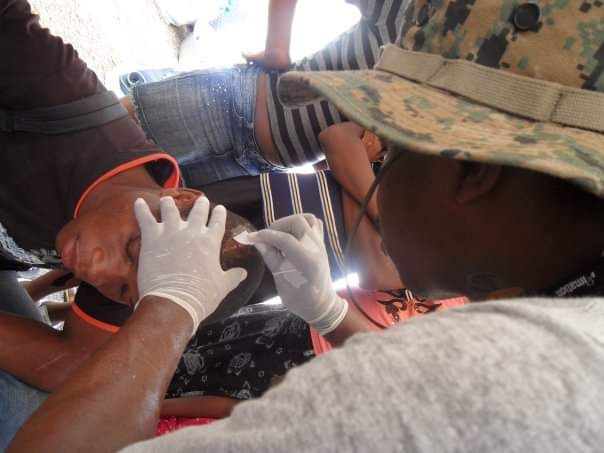
This work begins where the need is immediate. Humanitarian relief means moving toward crisis with seriousness, not looking at it from a safe distance. Priority One Coalition’s record includes visible field response during the Haiti earthquake period, and that matters because people support missions they can see acting under pressure.
The Coalition’s relief posture is practical: show up, assess what is needed, bring support where possible, and help communities move from shock toward stability.
Medical aid is one of the clearest ways service becomes real. Whether conditions are chaotic, under-resourced, or urgent, direct care support can restore immediate human dignity. The Coalition’s visual record from Haiti includes emergency care scenes that reinforce this commitment.
This page should communicate that medical support is not an abstract talking point. It is part of a larger service ethic that values life, presence, and action when communities are under strain.
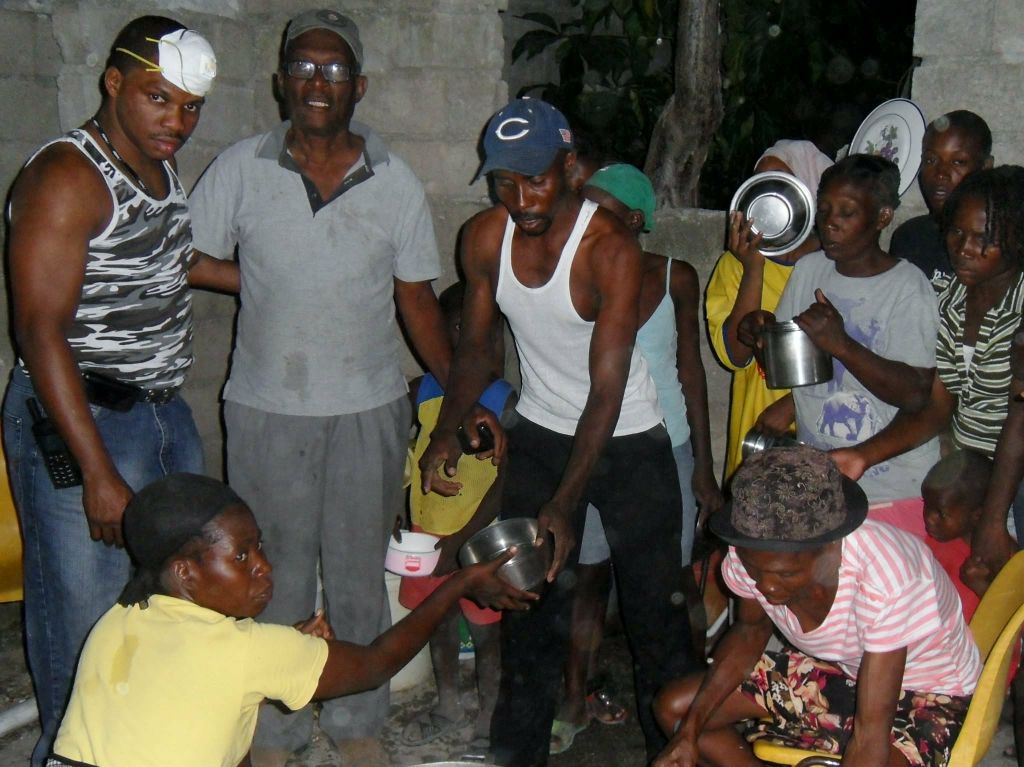
Food support becomes essential when a crisis disrupts a family’s normal path to stability. Priority One Coalition’s food-related humanitarian imagery shows a mission willing to meet practical needs honestly and without delay.
On this site, food support should be framed as both compassionate and strategic. It provides immediate relief, but it also protects human dignity and buys time for broader recovery work to begin.
Solar access represents the Coalition’s more future-facing side: usable tools, local resilience, and practical systems that help communities move beyond fragile dependence. The solar imagery and affiliated development work show a path from relief to infrastructure.
That bridge is especially clear through the Coalition’s relationship with New Genesis Project’s energy initiatives, where decentralized solar systems, housing integration, and economic participation are part of a larger development strategy.
Agriculture matters here for more than symbolism. It points to food independence, practical discipline, and hands-on self-sufficiency. This is the kind of program area that takes people from passive need to practical participation.
Priority One Coalition’s training-centered message has always emphasized usable skills, constructive guidance, and preparation for stronger daily living. Agriculture training fits that mission cleanly because it combines knowledge, labor, sustainability, and long-term value.
Housing and community development are where relief grows up. They reflect the belief that families need environments, systems, and opportunities that support stability over time. The right built environment creates better conditions for work, health, family order, and local growth.
This is also where the affiliated New Genesis Project becomes a natural extension, especially around sustainable housing and economic activation.
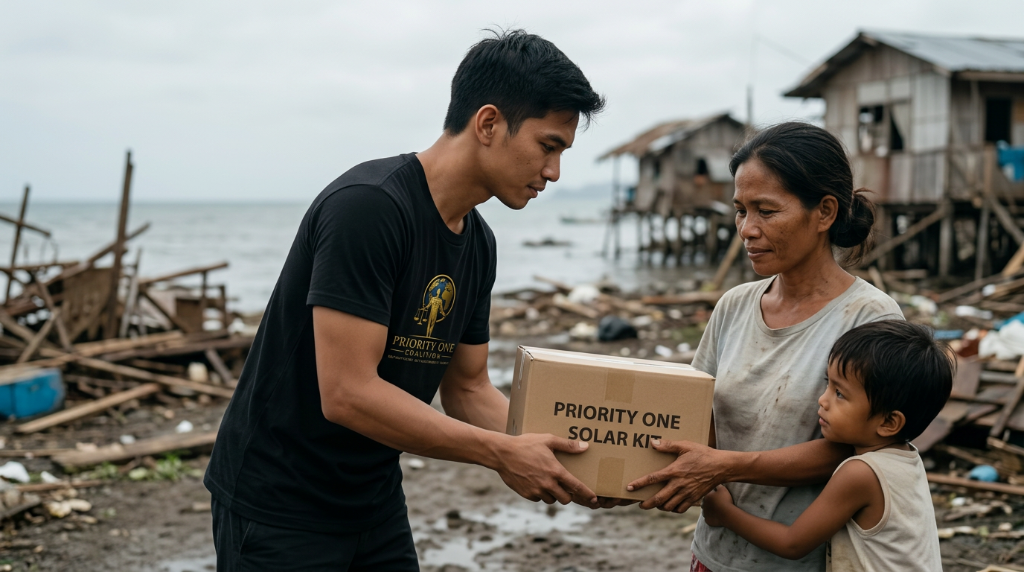
Priority One Coalition’s programs are designed to meet urgent need while helping communities move toward lasting capacity. If you want your support to reach both direct aid and practical development, this is where to put it.
Leave your details so the team can follow up when the donation launch is ready.